Champagne Glow on a Lemonade Budget

Today we’re diving into layered lighting plans that create an upscale ambience on a budget, combining ambient, task, and accent strategies anyone can implement. Expect practical shopping tips, layout sketches you can copy, and real-world stories showing how small swaps deliver big, sophisticated mood shifts without expensive renovations or designer fees. Stay to the end for an easy checklist, plus ways to share your photos and questions with our community for tailored suggestions.

Ambient Foundations

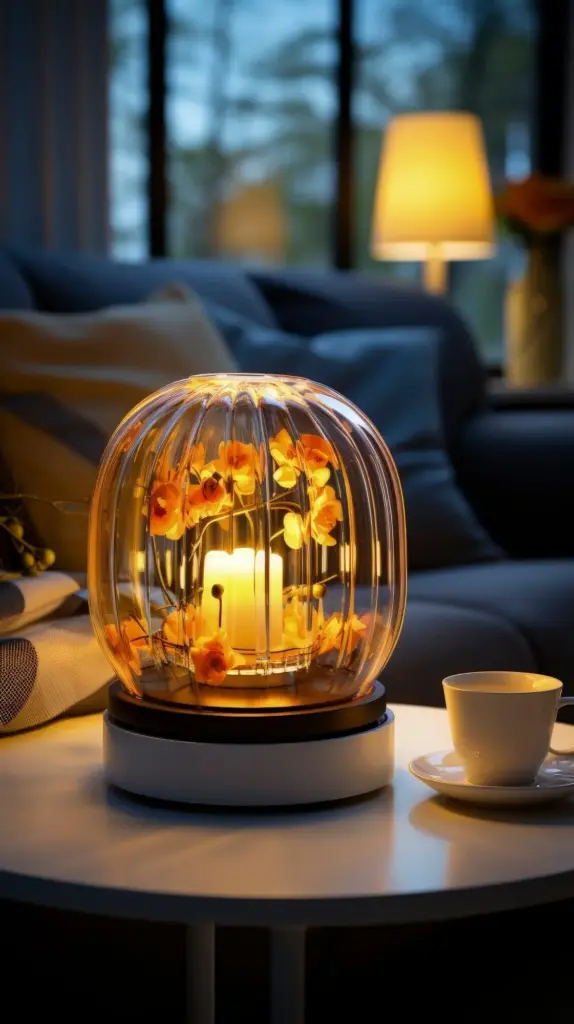
Begin with a gentle base that smooths shadows and sets the mood. Think flush mounts with diffusers, drum shades, or smart bulbs in lamps that softly brighten corners. Aim for warm 2700–3000K color temperatures and high-CRI bulbs so finishes look rich and natural. Spread light sources around the room to reduce harsh hotspots, then dial brightness through dimmers or app controls to move from energetic mornings to intimate evenings without swapping any hardware.

Task Clarity Where It Counts

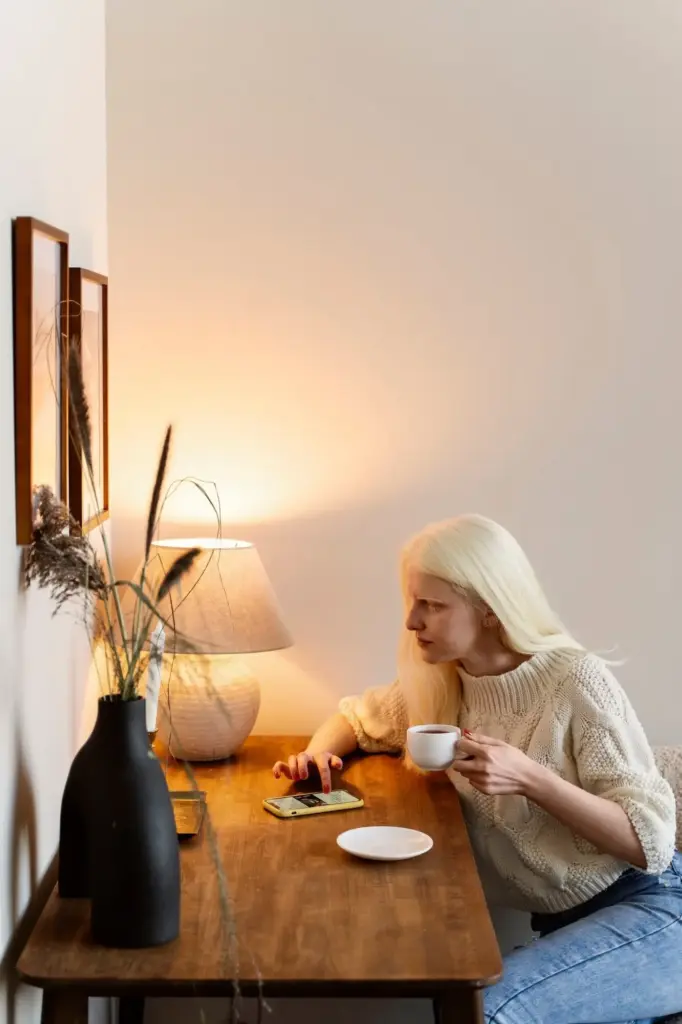
Upscale experiences feel effortless, which means chopping vegetables, reading, or applying makeup happens in crisp, targeted light. Pivoting desk lamps, under-cabinet LED strips, or picture lights over consoles give precision without flooding the whole room. Choose higher lumens, tighter beams, and neutral-warm tones so details pop without appearing clinical. Place task lights slightly forward or off to the side of the work zone to eliminate unflattering shadows and distracting reflections.

Designing Lux Looks with Affordable Fixtures

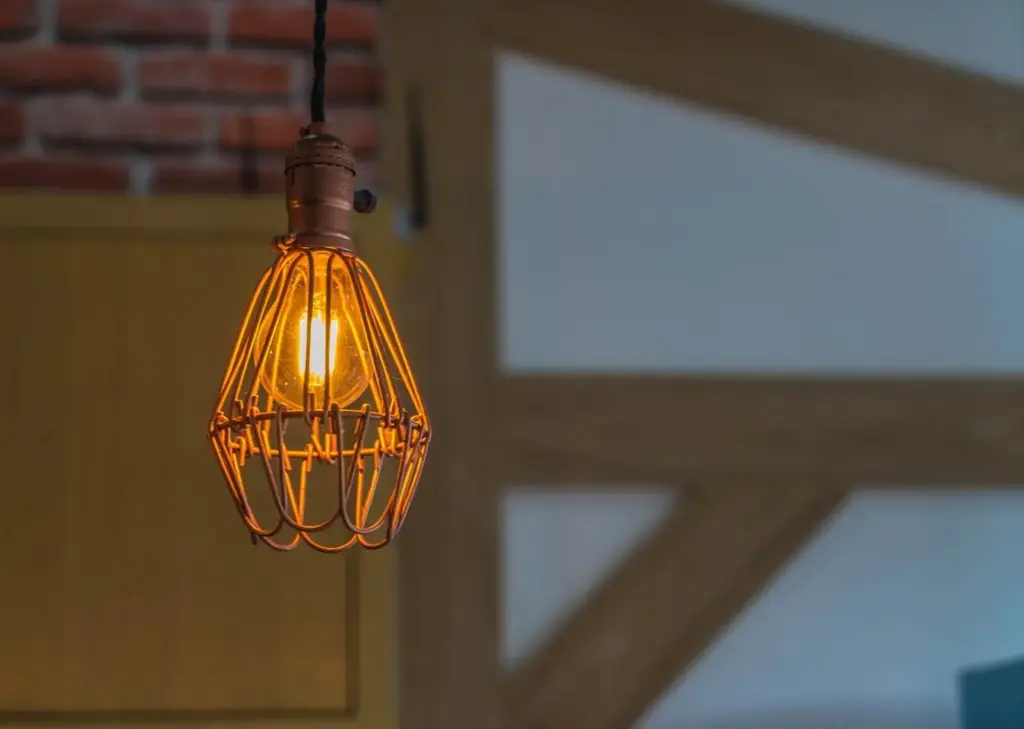
Price tags do not define polish; details do. Choose fixtures with clean proportions, cohesive finishes, and timeless shapes that mix easily. Satin brass, matte black, and milk glass often photograph upscale and age gracefully. Pair thrifted or outlet finds with fresh shades, dimmable LEDs, and coordinated hardware for consistency. Consider swapping builder bulbs first: a simple shift to high-CRI, warm LEDs plus layered lamps often delivers a richer look than replacing expensive ceiling pieces.

Room-by-Room Layering Playbook

Different rooms call for distinct balances of ambient, task, and accent light. A living room might emphasize conversation and art, while a kitchen prioritizes safety and precision. Bedrooms reward softness and shadow control. Think in zones, not just fixtures: seating, circulation, display, and work areas. Then map two to three light sources per zone, scaling output by activity. This approach builds a coherent plan that looks expensive yet remains practical and attainable.

Small Spaces, Big Drama

Compact homes benefit most from layered light because depth tricks the eye into perceiving more square footage. Bounce brightness off pale walls, angle accents to stretch surfaces, and use mirrors to double every sparkle. Plug-in sconces, adhesive LED strips, and lean floor lamps deliver adaptability without drilling. Choose slender silhouettes and translucent shades to avoid visual clutter. A few well-placed glows will outperform one intense overhead, creating rich dimension that feels tailored and undeniably chic.

Planning, Budgeting, and Phasing the Upgrade

A thoughtful plan prevents impulse purchases and ensures every piece supports the overall experience. Start with a mood and function list, then sketch zones and outline two or three lights per zone. Budget for bulbs and dimmers first, since they change everything immediately. Phase investments by swapping harsh bulbs, adding lamps, then addressing ceilings. Track finishes to maintain cohesion across rooms. This staged approach builds momentum, captures early wins, and protects your wallet from costly missteps.

A Makeover in One Weekend

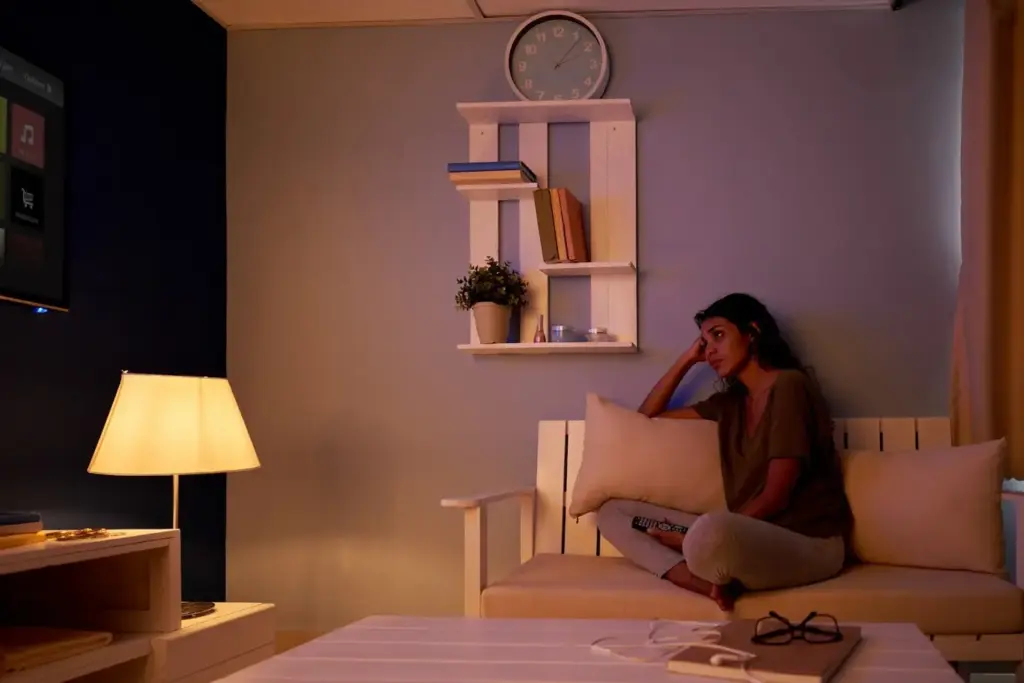
We replaced a glaring ceiling dome with a diffused drum, added two thrifted table lamps with high-CRI warm LEDs, and clipped a picture light above a print. The cost stayed modest, yet the room felt immediately tailored. Sunday night, a quiet dimmed scene wrapped the sofa like a hug, and even the coffee table’s wood grain looked deeper, hinting at boutique quality without a single expensive brand-name purchase.

Photograph the Glow

To show depth, turn off overheads, leave two or three layers active, and shoot from seated height. Lower exposure to avoid blown highlights and let shadows sculpt shapes. Include reflective accents like a metal tray or glass vase for sparkle. These images reveal whether light feels cozy, balanced, and intentional, helping you fine-tune angles, bulb types, and dimmer levels before guests arrive or you commit to new purchases.

Join the Conversation

Tell us which area needs the most help and your current bulb types, fixtures, and finishes. Post photos with lights on and off, plus a quick sketch of outlets. We’ll suggest targeted, budget-friendly upgrades—maybe a plug-in sconce, smart dimmer, or beam angle tweak. Subscribe for monthly lighting challenges, reader showcases, and checklists that make layered illumination approachable, empowering, and delightfully repeatable throughout your home.
Tilekimarafinezolezo
Privacy Overview

This website uses cookies so that we can provide you with the best user experience possible. Cookie information is stored in your browser and performs functions such as recognising you when you return to our website and helping our team to understand which sections of the website you find most interesting and useful.